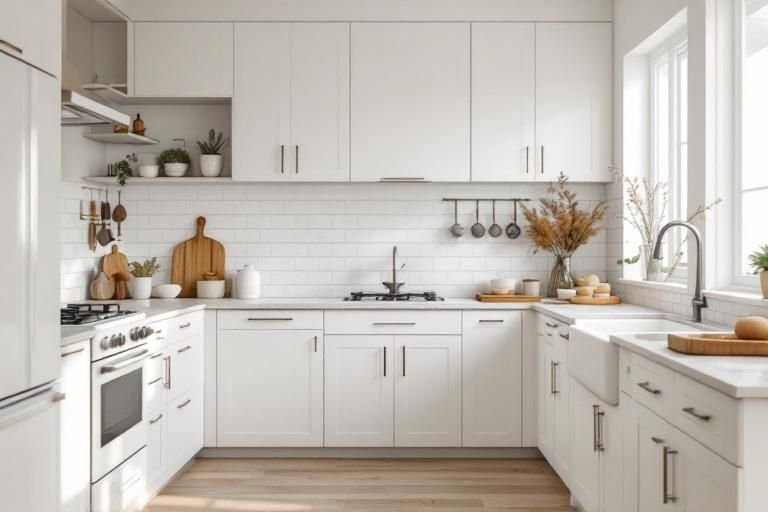
Does your white kitchen feel too sterile and uninviting? Many homeowners face this challenge, as an all-white space can sometimes lack warmth and personality. The good news is that transforming your kitchen into a cozy haven is easier than you think. With over 15 years of experience in home design and decor, I’ll guide you through effective strategies that will make your white kitchen feel warm and welcoming. From choosing the right textures and colors to incorporating personal touches, you will learn how to create an inviting atmosphere that balances functionality with comfort. Dive into this article to explore practical tips and creative ideas that will breathe life into your kitchen space.
Understanding the White Kitchen Aesthetic
A white kitchen is often associated with cleanliness and modernity, but it can sometimes feel cold or sterile. To make a white kitchen feel warm, it’s essential to understand the balance of colors, textures, and lighting. Warmth can be introduced through various elements that complement the white palette, creating an inviting atmosphere. By incorporating soft hues, natural materials, and thoughtful design choices, homeowners can transform the starkness of white into a cozy and welcoming space.
The Role of Color Temperature
Color temperature plays a crucial role in how a white kitchen feels. Warmer shades, such as creams and soft beiges, can be added through paint or decorative elements. Consider using these tones in backsplash tiles or cabinet accents to create a harmonious blend with the white base, allowing for a softer, more inviting look.
Importance of Texture
Texture adds depth and interest to a white kitchen. Incorporate materials like wood, stone, or woven fabrics through cabinetry, countertops, or textiles. These elements break up the monochrome look and introduce a tactile quality that enhances warmth, making the space more approachable and lived-in.
Lighting Considerations
Lighting significantly affects the ambiance of a kitchen. Opt for warm-toned light bulbs and consider adding layered lighting with under-cabinet lights, pendant fixtures, and natural light sources. This combination not only brightens the space but also enhances the warmth of the white decor, creating a cozy environment for cooking and gathering.
Key Points:
- White kitchens can feel cold without proper warmth elements
- Color, texture, and lighting are essential for creating a cozy atmosphere
Incorporating Warmth Through Design Elements
To effectively make a white kitchen feel warm, it’s vital to focus on design elements that foster a sense of comfort. This involves not just color choices but also furniture, accessories, and layout. By selecting the right design features, homeowners can create a kitchen that feels inviting and harmonious with the rest of the home. Thoughtful design choices can elevate the kitchen from merely functional to a comforting gathering space.
Choosing Warm Materials
Selecting warm materials is key in a white kitchen. Woods with rich grains, such as oak or walnut, can be used for cabinetry or open shelving. Incorporating a wooden dining table or bar stools can provide a natural warmth that contrasts beautifully against the white backdrop, fostering an inviting atmosphere for family and friends.
Accessorizing with Textiles
Textiles play a significant role in introducing warmth. Use soft curtains, colorful dish towels, or comfortable seat cushions to add layers of comfort. Choose materials like cotton or linen in warm colors or patterns to enhance the cozy feel without overwhelming the white aesthetic.
Creating Functional Zones
Designing functional zones can also enhance warmth in a white kitchen. Create a cozy breakfast nook or an inviting seating area where family members can gather. This not only makes the kitchen more functional but also encourages social interaction, making the space feel more like a home.
Key Points:
- Design elements can significantly impact the warmth of a kitchen
- Warm materials, textiles, and functional zones create an inviting space
Incorporating Warm Colors and Textures
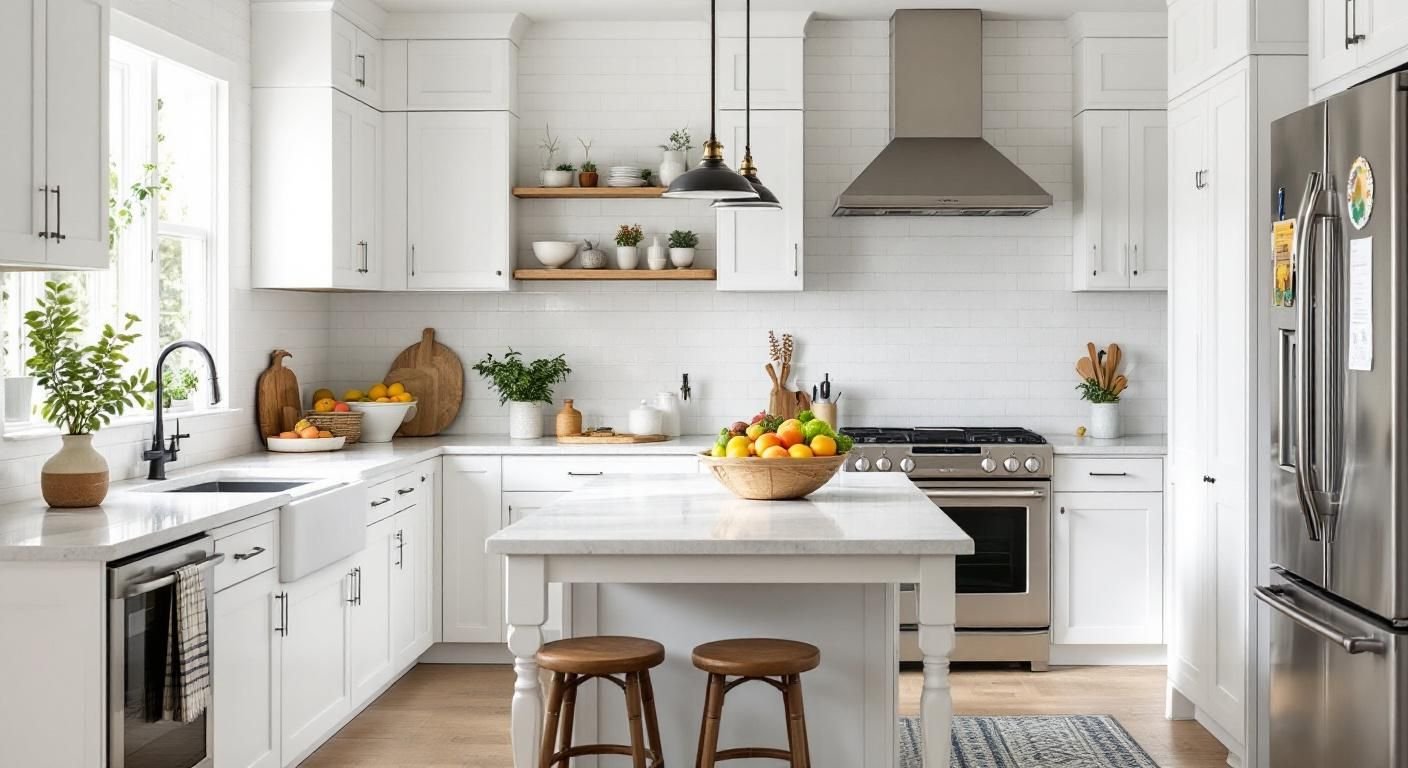
One of the most effective ways to make a white kitchen feel warm is by incorporating warm colors and rich textures. By introducing elements such as wood, soft textiles, and warm hues, you can create a cozy atmosphere. Consider using warm-toned wooden cabinetry or a butcher block countertop to contrast with the white elements. Soft textiles like kitchen towels or bar stools in warm colors can add a layer of comfort and warmth to the space. Additionally, utilizing earthy tones in decor items like vases or artwork can enhance the overall warmth.
Using Wood Accents
Wood accents can significantly change the ambiance of a white kitchen. Introduce wooden shelves or a rustic dining table to create a focal point. The natural grain of wood adds depth and can make the space feel more inviting. Pairing wood with white surfaces can also highlight the kitchen’s brightness while softening its overall appearance.
Textiles for Comfort
Incorporating textiles is an excellent way to make a kitchen feel warm. Use soft, textured fabrics for curtains, seat cushions, or placemats in warm shades. These elements not only add visual warmth but also create a cozy feel. Opt for fabrics like linen or cotton, which are inviting and easy to maintain.
Key Points:
- Wood accents add depth and warmth.
- Textiles can transform the kitchen’s ambiance.
💡 Mix warm wood tones with white for contrast.
💡 Use textiles in warm colors to enhance comfort.
Lighting Choices for a Cozy Atmosphere
Lighting plays a crucial role in creating a warm environment in a white kitchen. The right lighting can soften the starkness of white surfaces and create an inviting space. Layered lighting, which includes ambient, task, and accent lights, can enhance the kitchen’s warmth. Consider using warm-toned LED bulbs, which emit a yellowish light that feels more inviting than cooler, blue-toned lights. Dimmers can also help control brightness, allowing you to adjust the mood as needed.
Layered Lighting Techniques
Layered lighting involves using different types of lights to create depth. Start with ambient lighting for overall brightness. Then, add task lighting above workspaces like countertops and accent lighting to highlight artwork or architectural features. This combination creates a dynamic and warm atmosphere.
Choosing the Right Bulbs
The type of bulbs you choose can significantly affect the kitchen’s warmth. Opt for warm white or soft white bulbs, as they provide a cozy glow. Avoid daylight bulbs that can cast a stark, cold light. Using dimmable options allows for more flexibility and control over the ambiance.
Key Points:
- Proper lighting softens the starkness of white.
- Layered lighting creates a dynamic atmosphere.
💡 Use warm-toned bulbs for a comforting glow.
💡 Implement layered lighting for depth and warmth.
EXPERT TIPS Pro Advice
Balance white with warm colors.
Incorporate warm colors strategically to offset white surfaces, creating a more inviting and balanced aesthetic.
Add natural elements.
Introduce plants or natural materials to bring warmth and life into the kitchen, enhancing the overall comfort.
Utilize mirrors to reflect light.
Using mirrors can amplify light and create a sense of spaciousness, making the kitchen feel more inviting.
Create focal points with decor.
Incorporate unique decor items that draw the eye, helping to create warmth and interest in a white kitchen.
Adjust your kitchen layout.
Consider the layout and flow for a more inviting space, ensuring that it feels functional and welcoming.
Frequently Asked Questions
Conclusion
Creating a warm white kitchen involves using color, texture, and lighting effectively. By incorporating warm hues, diverse materials, and greenery, you can transform a stark space into a cozy haven. Small adjustments make a significant impact on the overall ambiance.
🎯 Key Takeaways:
- Use warm colors to contrast with white elements.
- Opt for warm lighting to enhance coziness.
- Incorporate various textures for depth.
- Choose warm-toned flooring for a grounded feel.
- Add plants to introduce life and warmth.
Expert Advice: Experiment with different elements until you achieve the desired warmth. Each kitchen is unique, and personal touches will make the space truly yours.
Start reimagining your white kitchen today by considering these tips and observing how small changes can create a more inviting atmosphere.