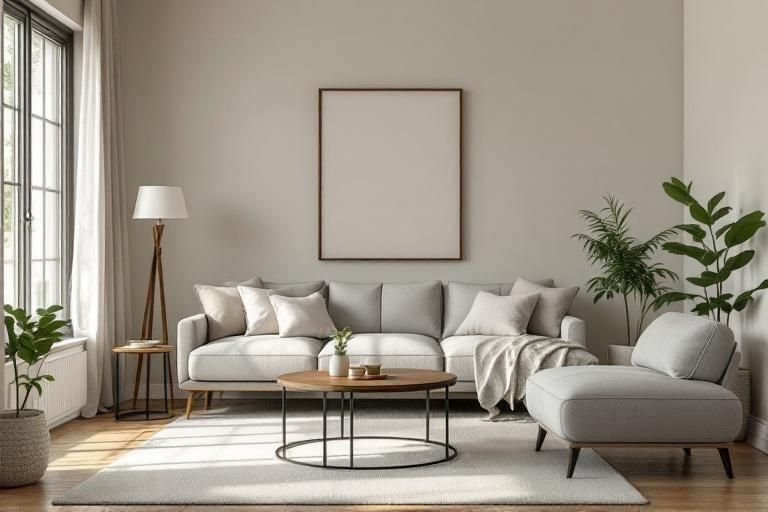
Are you struggling to make your small living room feel larger and more inviting? The right color palette can dramatically transform your space, creating an illusion of openness and comfort. With over 15 years of experience in interior design and color psychology, we understand how colors can influence mood and perception, especially in small areas. In this article, you’ll discover the best colors for small living rooms, including light shades that expand the room visually and rich tones that add warmth and character. We’ll also explore effective color combinations and tips for choosing the perfect hues to enhance your living area. Read on to unlock the secrets to a beautifully colored small living room that feels both spacious and stylish.
Understanding Color Psychology in Small Spaces
Color psychology plays a crucial role in how we perceive space. In small living rooms, certain colors can create illusions of openness or coziness. Light colors, like whites and pastels, tend to reflect more light, making a room feel larger and airier. Conversely, darker colors can create a sense of intimacy but may also make a space feel enclosed. Understanding how different hues impact mood and perception is essential for maximizing a small living room’s potential.
The Impact of Light Colors
Light colors, such as soft blues, pale yellows, and light grays, can enhance the feeling of spaciousness in small living rooms. These shades reflect natural light, helping to brighten up the area. Additionally, they work well with various decor styles, making it easier to mix and match furniture and accessories.
The Role of Dark Colors
While dark colors can absorb light and may make a room feel smaller, they can also add depth and warmth. Using dark colors on an accent wall or in furnishings can create a striking focal point, providing balance in a small living room. It’s about finding the right balance between dark and light elements.
Creating Visual Interest with Color Combinations
Combining light and dark colors can create visual interest and dimension. For instance, pairing a light wall color with dark furniture can lead to a sophisticated look while maintaining an open feel. Utilizing complementary colors can enhance the aesthetic appeal and create a harmonious environment.
💡 Consider the natural light available in your living room when selecting colors.
💡 Test paint colors on a small section of the wall before committing to a full room.
💡 Incorporate various shades of your chosen color to add depth and interest.
Choosing the Best Colors for Your Small Living Room
When selecting colors for a small living room, it’s essential to consider both personal taste and the overall atmosphere you want to create. Neutral colors, such as beige, taupe, and soft whites, provide a versatile backdrop that can be accented with bolder decor items. Alternatively, you can opt for a monochromatic scheme, using varying shades of the same color to create cohesiveness while adding dimension. Each color choice should enhance the room’s functionality and style.
Neutral Colors for Versatility
Neutral colors are ideal for small living rooms as they provide a calming effect and serve as a blank canvas. They allow for greater flexibility with furniture and decor. Furthermore, they can be paired with vibrant accessories, giving the room character without overwhelming the space.
Accent Colors to Create Focal Points
Incorporating bold accent colors can establish focal points within a small living room. Use these colors sparingly, such as on a single wall, cushions, or artwork. This strategy draws attention and creates a dynamic environment without making the space feel cluttered.
Seasonal Color Changes
Consider changing color schemes with the seasons to refresh your small living room. Lighter colors in spring and summer can evoke a sense of freshness, while deeper tones in fall and winter provide warmth. This approach keeps the space feeling lively and adaptable throughout the year.
💡 Choose a color palette that complements your existing furniture and decor.
💡 Use samples to visualize how colors look at different times of the day.
💡 Incorporate texture through fabrics and materials to enhance the color scheme.
Choosing Light Colors for Small Living Rooms
Light colors are often recommended for small living rooms as they create an illusion of space and brightness. Shades like white, soft beige, and pale pastels reflect light, making the room feel more open. The use of light colors can also enhance the overall ambiance of the space, creating a serene environment. For small living rooms, consider using lighter shades on walls, furniture, and accessories to maximize the effect of natural light. Combining light colors with strategic lighting can further amplify the spacious feel, allowing for a more inviting atmosphere.
The Impact of White
White is a classic choice that can make a small living room feel airy. It reflects both natural and artificial light, reducing shadows and brightening the entire space. To avoid a sterile look, consider pairing white with warm accent colors and textures through furniture or wall art.
Soft Pastels for a Gentle Touch
Soft pastels like mint green, blush pink, or baby blue can add a subtle flair without overwhelming the senses. These colors evoke calmness and can be complemented with darker furniture or decor to create contrast without making the space feel cramped.
Key Points:
- Light colors enhance the illusion of space.
- White can brighten a small living room significantly.
💡 Use a monochromatic palette to create cohesion and a sense of continuity.
Incorporating Dark Colors Strategically
While light colors are advantageous, dark colors can also be effectively used in small living rooms. The key is to use them strategically to create depth and character. Darker shades, when applied to accent walls or furniture, can add sophistication and drama without closing off the space. Pairing dark colors with light furnishings can create a striking contrast, adding visual interest while maintaining an open feel. Be mindful of balance; too much dark color can overwhelm a small area, so it’s crucial to use it in moderation.
Accent Walls for Depth
Creating an accent wall with a dark color can draw the eye, making the room feel more expansive. Focus on one wall for a deep navy or charcoal hue, and keep the other walls lighter to maintain balance. This method adds depth without overwhelming the space.
Balancing Dark Furniture
When utilizing dark furniture, opt for lighter wall colors to avoid a cave-like effect. Consider pairing dark pieces with vibrant throw pillows or light rugs to break the monotony and maintain a sense of airiness in the room.
Key Points:
- Dark colors can add sophistication and depth.
- Strategic use of dark colors can enhance visual interest.
💡 Limit dark colors to 20-30% of the room to prevent a claustrophobic feel.
EXPERT TIPS Pro Advice
Consider the lighting in your room
Natural light varies throughout the day. Test paint colors in different lighting conditions to ensure they work well at all times.
Use mirrors to amplify light
Incorporating mirrors can reflect light and colors, enhancing the feeling of space and brightness in your small living room.
Mix textures for added dimension
Combining different textures can help differentiate areas within a small room, making the overall design more dynamic without relying solely on color.
Keep decor minimal to avoid clutter
Too many decorative items can overwhelm a small space. Choose a few statement pieces that complement your color scheme for an uncluttered look.
Test samples before committing
Always try paint samples on your walls before making a final decision. This helps you see how colors interact with the room’s lighting and furnishings.
Frequently Asked Questions
Conclusion
Choosing the best colors for small living rooms is essential for creating a spacious, inviting atmosphere. Light colors like whites and pastels enhance openness, while thoughtful use of dark shades can add depth. Consider your personal style, natural light, and texture for a cohesive look.
🎯 Key Takeaways:
- Light colors make small rooms feel larger and brighter.
- Monochromatic palettes create a seamless, spacious effect.
- Dark colors can work with adequate lighting and accents.
- Texture enhances color choices and adds depth.
Expert Advice: Take your time selecting colors that resonate with your style and enhance your space. Test samples in your living room to see how they interact with light and surrounding elements before making a final decision.
Explore color options and experiment with swatches to discover what truly transforms your small living room.