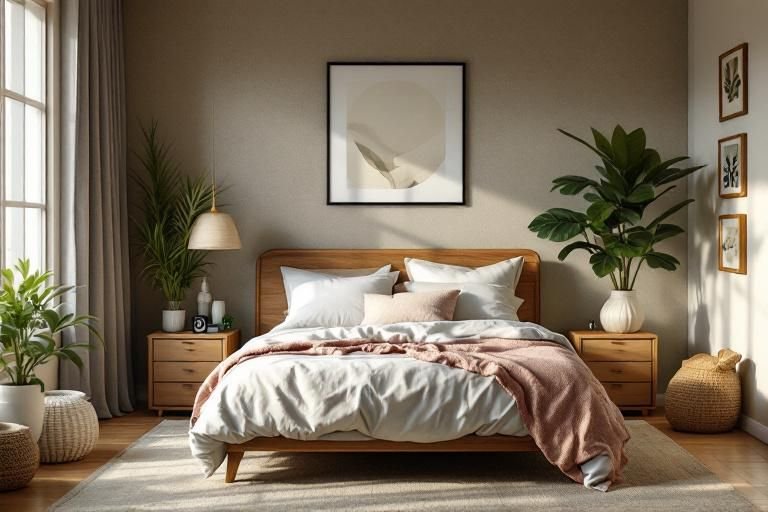
Are you struggling with a small bedroom that feels cramped and cluttered? Statistics show that over 30% of homeowners live in spaces that they feel are too small. The good news is that there are effective techniques to make a small bedroom look bigger, creating an illusion of space and comfort. With over 15 years of experience in interior design and space optimization, I’ve compiled a set of tried-and-true strategies that can transform your bedroom into a more spacious and inviting area. In this article, you will discover essential tips on color schemes, furniture arrangements, and decor choices that will help you maximize your space and enhance the overall aesthetic of your room.
Understanding Space Perception in Small Bedrooms
The perception of space within a bedroom is influenced by various design elements. Understanding how colors, lighting, and layout affect spatial awareness is crucial for creating a more open feel. Lighter colors and strategic use of mirrors can visually expand a room. Additionally, proper furniture arrangement plays a vital role in maximizing the usable area, allowing for a more comfortable and inviting environment.
The Role of Color
Color significantly impacts how we perceive space. Light and neutral colors, such as whites, light grays, or pastels, can make a small bedroom appear larger and more airy. Dark colors tend to absorb light, creating a more confined feel. Consider painting walls and ceilings in lighter shades to enhance openness.
Lighting Techniques
Natural light is a game changer in small bedrooms. Use sheer curtains to let in light without obstructing views. Additionally, strategic placement of lamps can brighten dark corners, making the space feel more expansive. Layering light sources, such as ambient, task, and accent lighting, can also contribute to a brighter, more open atmosphere.
Furniture Arrangement Basics
The arrangement of furniture is critical in small spaces. Use multi-functional furniture to maximize utility, allowing for better flow. Position larger pieces against walls to create a more open central area. Avoid cluttering the space with unnecessary items, as this can make the room feel cramped and disorganized.
Key Points:
- Light colors create an airy feel
- Proper lighting enhances spatial perception
- Strategic furniture arrangement maximizes space
Maximizing Storage and Minimizing Clutter
Effective storage solutions are essential in small bedrooms to keep the space organized and visually appealing. Utilizing vertical space and incorporating hidden storage can help reduce clutter significantly. A decluttered environment not only promotes a sense of calm but also enhances the perception of space within the room. Evaluate your belongings regularly and keep only what you need to maintain an open atmosphere.
Vertical Storage Solutions
Taking advantage of vertical space can free up floor area in a small bedroom. Install shelves high on walls to store books or decorative items. Use tall dressers or cabinets to maximize storage without taking up too much ground space. Hooks and pegboards can also be effective for hanging accessories or bags.
Under-Bed Storage Options
The area under the bed is often underutilized. Consider using storage boxes or drawers designed to fit under the bed, keeping seasonal clothing or extra linens neatly stored away. This not only clears floor space but also maintains a tidy appearance, contributing to a more spacious feel.
Regular Decluttering Practices
Regularly assess your belongings to ensure that only essential items occupy your small bedroom. Implement a seasonal decluttering routine where you donate or discard items that are no longer needed. Maintaining a minimalist approach can make a small bedroom feel more open and less chaotic.
Key Points:
- Utilize vertical space for storage
- Under-bed storage clears floor area
- Regular decluttering promotes spaciousness
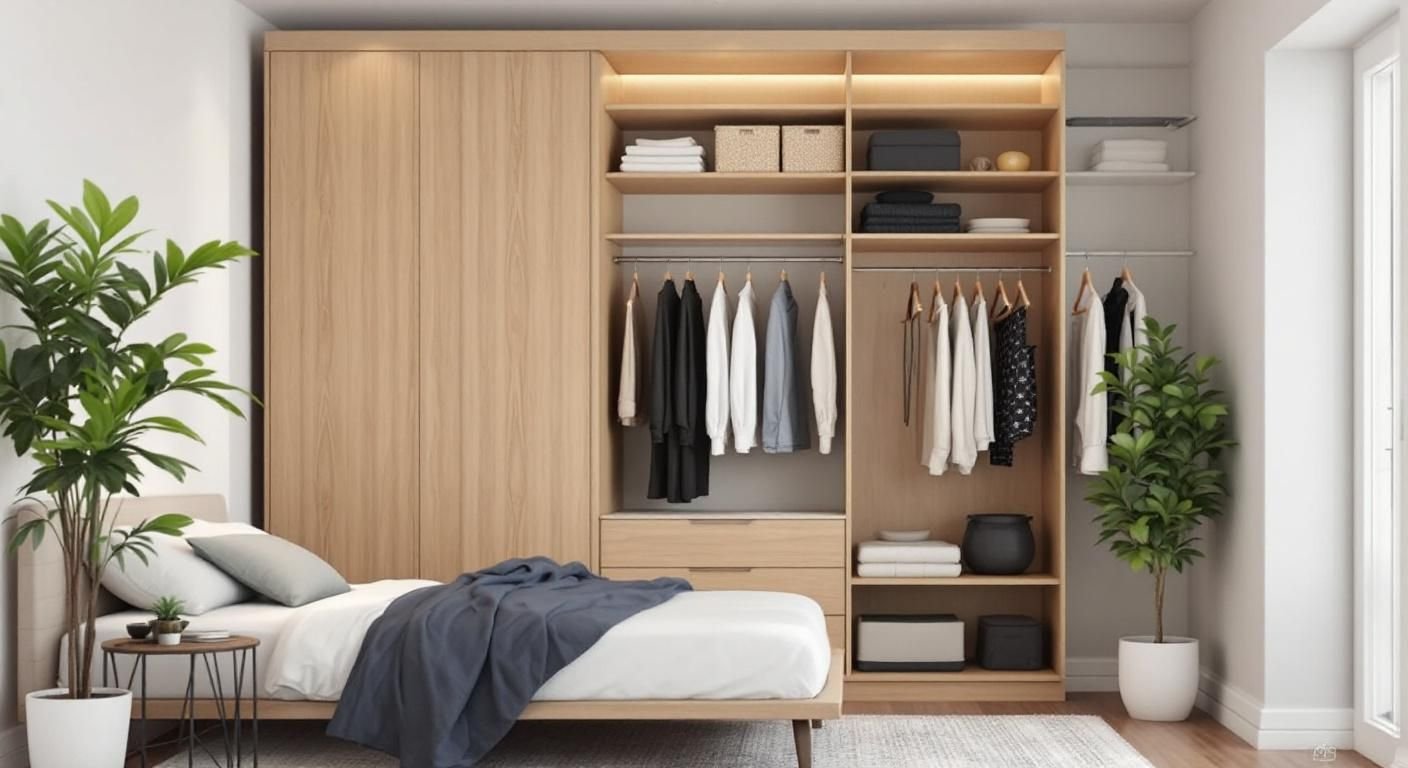
Utilizing Color and Lighting
Color and lighting are pivotal in creating an illusion of space in a small bedroom. Lighter colors, such as whites, light grays, and soft pastels, can reflect light and make walls appear to recede. Consider painting the ceiling a lighter shade than the walls to enhance this effect. Additionally, maximizing natural light is essential. Keep window treatments light and airy, and use mirrors strategically to reflect light and create a sense of depth.
Choosing the Right Color Palette
Opt for a monochromatic color scheme or soft complementary colors to maintain visual flow. Avoid dark, bold colors that can make walls seem closer. Experiment with different shades and textures to add depth without overwhelming the space.
Maximizing Natural and Artificial Light
Position mirrors opposite windows to reflect natural light, creating a brighter atmosphere. For artificial light, use multiple light sources, such as floor lamps and wall sconces, to distribute light evenly across the room, avoiding dark corners.
Key Points:
- Use light colors to reflect and enhance space.
- Strategically place mirrors to create an illusion of depth.
💡 Light colors create an open feel, while dark shades can make walls feel imposing.
💡 Mirrors can double the visual space; place them thoughtfully for maximum effect.
Furniture Arrangement and Multi-Functional Pieces
The arrangement of furniture plays a crucial role in making a small bedroom feel larger. Consider the flow of movement; furniture should not obstruct pathways. Use multi-functional furniture, such as beds with storage drawers or foldable desks, to maximize space and minimize clutter. Keeping furniture proportional to the room size is also imperative; oversized pieces can overwhelm the room.
Smart Furniture Layout
Position the bed against the longest wall to create a more spacious layout. Avoid placing large pieces in the center of the room, which can disrupt flow. Instead, keep open pathways to enhance accessibility and visual openness.
Incorporating Multi-Functional Furniture
Invest in furniture that serves dual purposes, such as ottomans that can be used for seating and storage. This not only saves space but also reduces the need for additional storage solutions, which can clutter the room.
Key Points:
- An effective layout enhances mobility and perception of space.
- Multi-functional furniture minimizes clutter and maximizes utility.
💡 Keep pathways clear; this enhances the room’s flow and makes it feel larger.
💡 Choose furniture that serves multiple purposes to reduce clutter.
EXPERT TIPS Pro Advice
Use vertical space effectively.
Install shelves or cabinets that extend up to the ceiling, drawing the eye upward and creating a sense of height, which can significantly open up a small room.
Opt for transparent furniture.
Choosing clear or acrylic furniture can create a light, airy feel, as it allows for visibility through pieces, reducing visual bulk in the room.
Create zones with rugs.
Use rugs to define areas within the room, which can create a sense of separation and organization, making the space feel larger and more functional.
Keep window areas unobstructed.
Avoid placing large furniture near windows; this maximizes natural light and maintains a sense of openness, crucial for small spaces.
Limit decorative elements.
Too many decorations can make a room feel cluttered. Choose a few impactful pieces to maintain an open and airy aesthetic.
Frequently Asked Questions
Conclusion
To make a small bedroom look bigger, utilize light colors, incorporate mirrors, and choose multi-functional furniture. Vertical lines and good lighting also enhance space perception. Keeping furniture minimal is essential for an open feel. These strategies will help create a more inviting and spacious environment.
🎯 Key Takeaways:
- Use light colors to enhance brightness and openness.
- Incorporate mirrors to reflect light and space.
- Choose multi-functional furniture to maximize utility.
- Utilize vertical lines to create an illusion of height.
- Implement effective lighting to enhance the spacious feel.
- Minimize furniture to avoid crowding the room.
Expert Advice: Carefully plan your bedroom layout and decor. Prioritize space-saving solutions and keep the environment uncluttered. A well-thought-out design can transform a small bedroom into a cozy yet spacious retreat.
Start experimenting with these tips today and enjoy the transformation of your small bedroom!